Timber treatment & preservation · Essex · Suffolk · Norfolk

Timber treatment, preservation & surveys across Essex, Suffolk & Norfolk

Woodworm, wet rot and dry rot damage structural timber quietly for years before it becomes visible. We survey the timber, identify whether the attack is active, find the moisture source behind it and carry out the preservation works — across Essex, Suffolk and Norfolk. CSTDB and CSSW certified, with 19 years' experience.
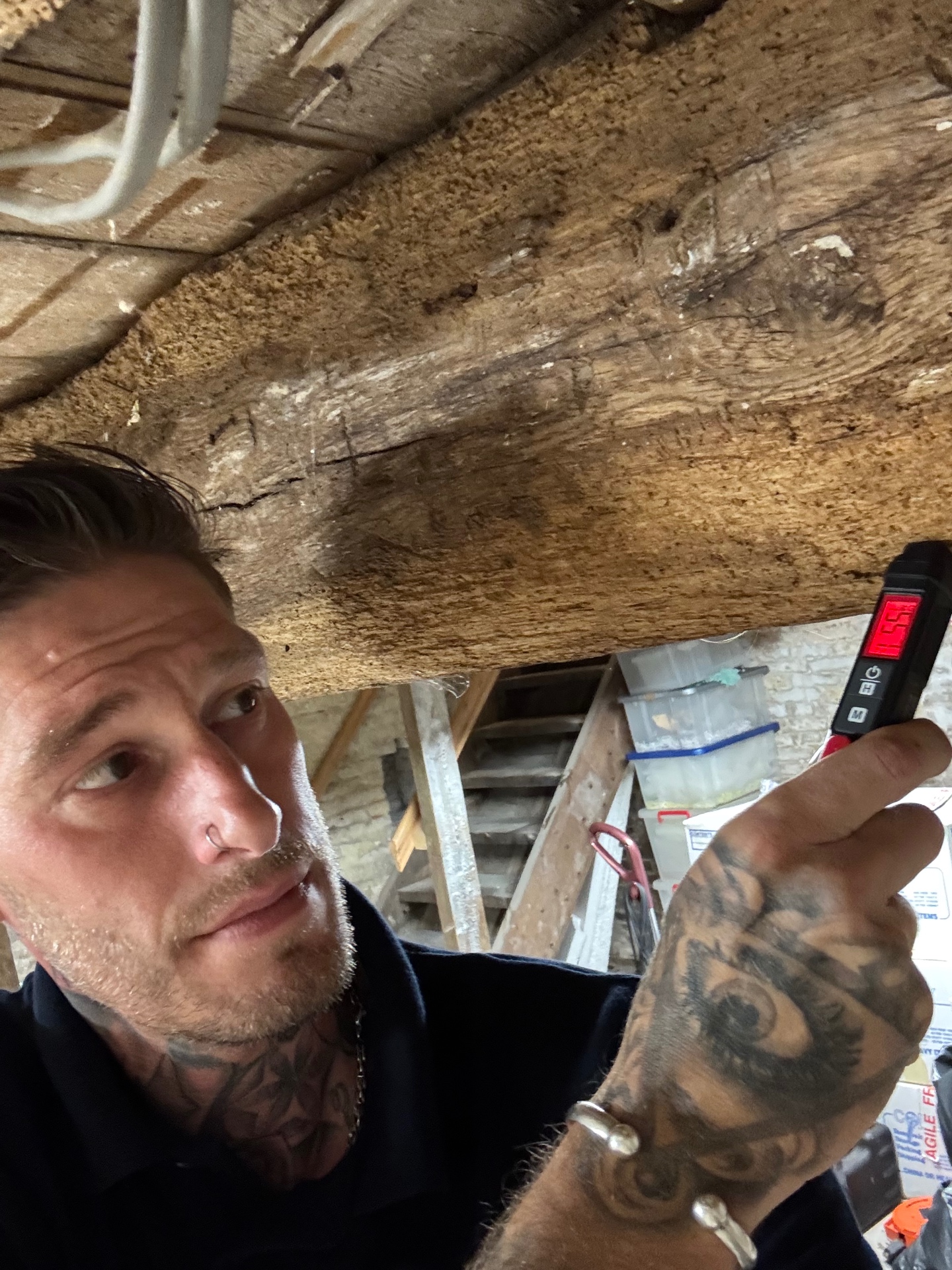
Moisture meter reading being taken on a decayed structural timber beam during a timber survey
Moisture testing structural timber on site

What we carry out

Timber treatment & preservation works

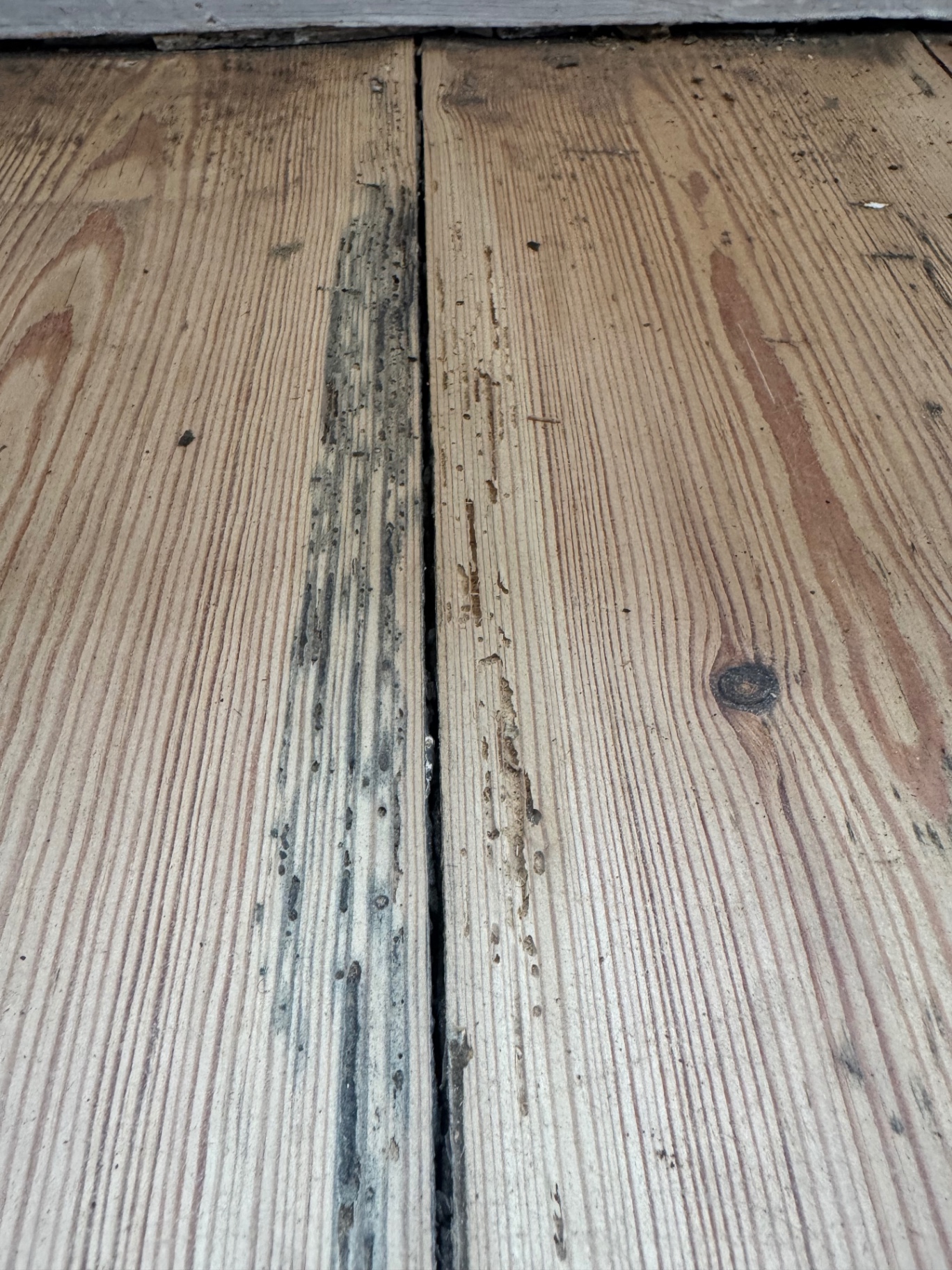
Common furniture beetle flight holes in a floorboard

Woodworm treatment

Identification of active wood-boring insect attack and targeted preservative treatment of affected structural and joinery timber.

Common furniture beetle flight holes in a floorboard

Inspecting deteriorated cellar timber

Wet & dry rot eradication

Removal of the moisture source, cutting out decayed timber and treating surrounding areas to prevent the decay returning.

Inspecting deteriorated cellar timber
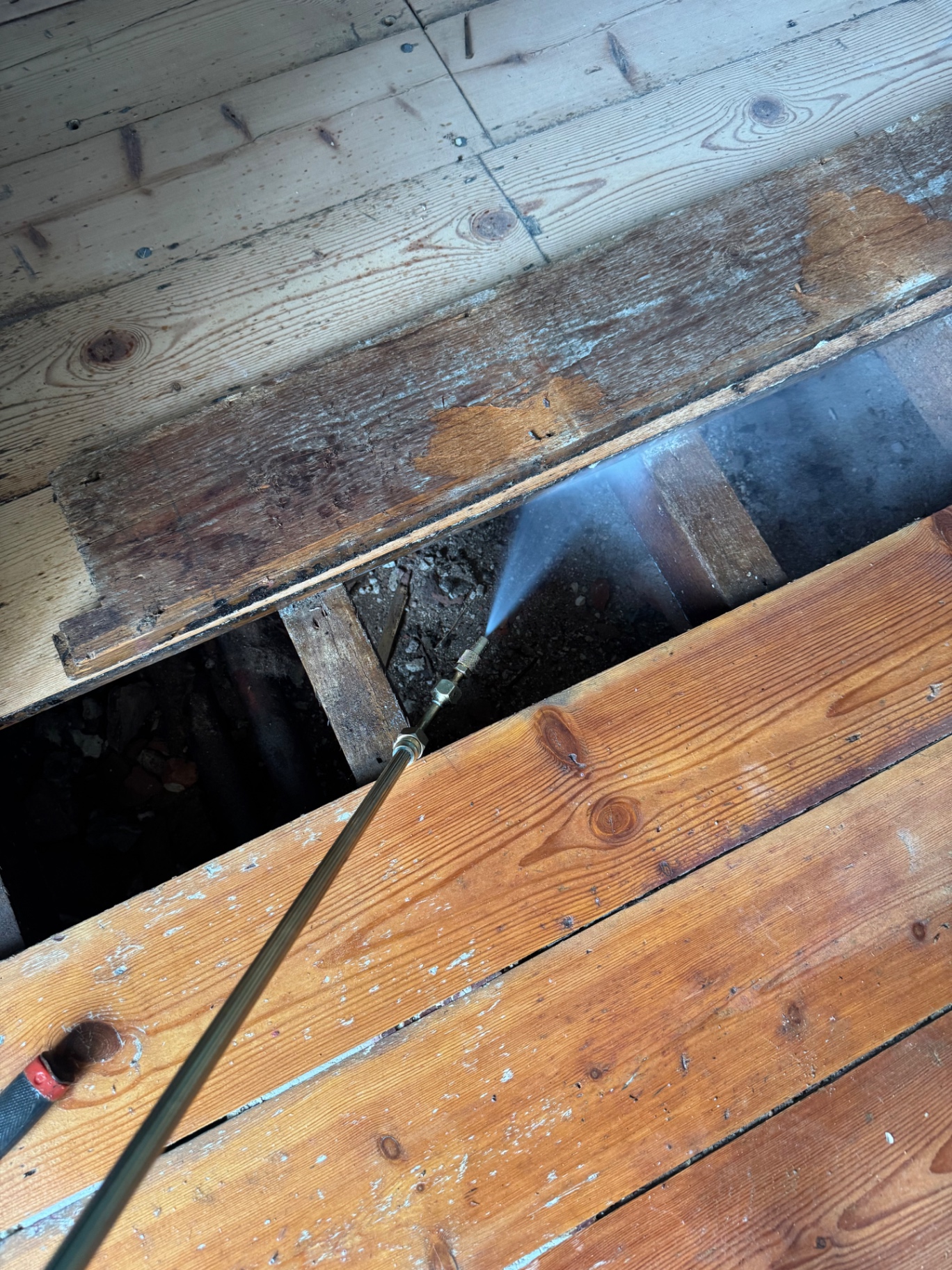
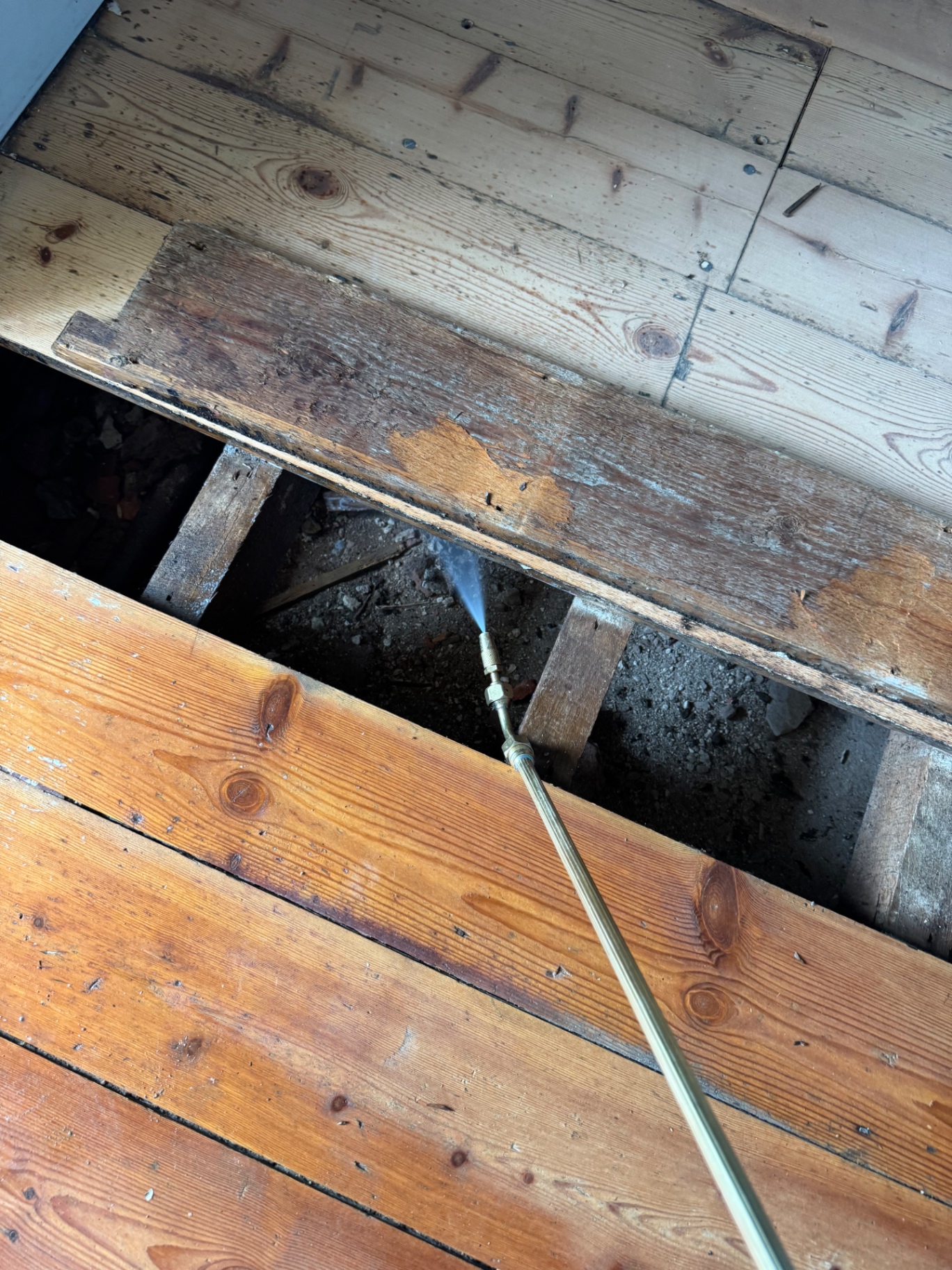
Dual-purpose spray applied to floor joists

Timber preservation works

Preservative application to roof timbers, joists, floors and joinery to protect sound timber from future attack.

Dual-purpose spray applied to floor joists
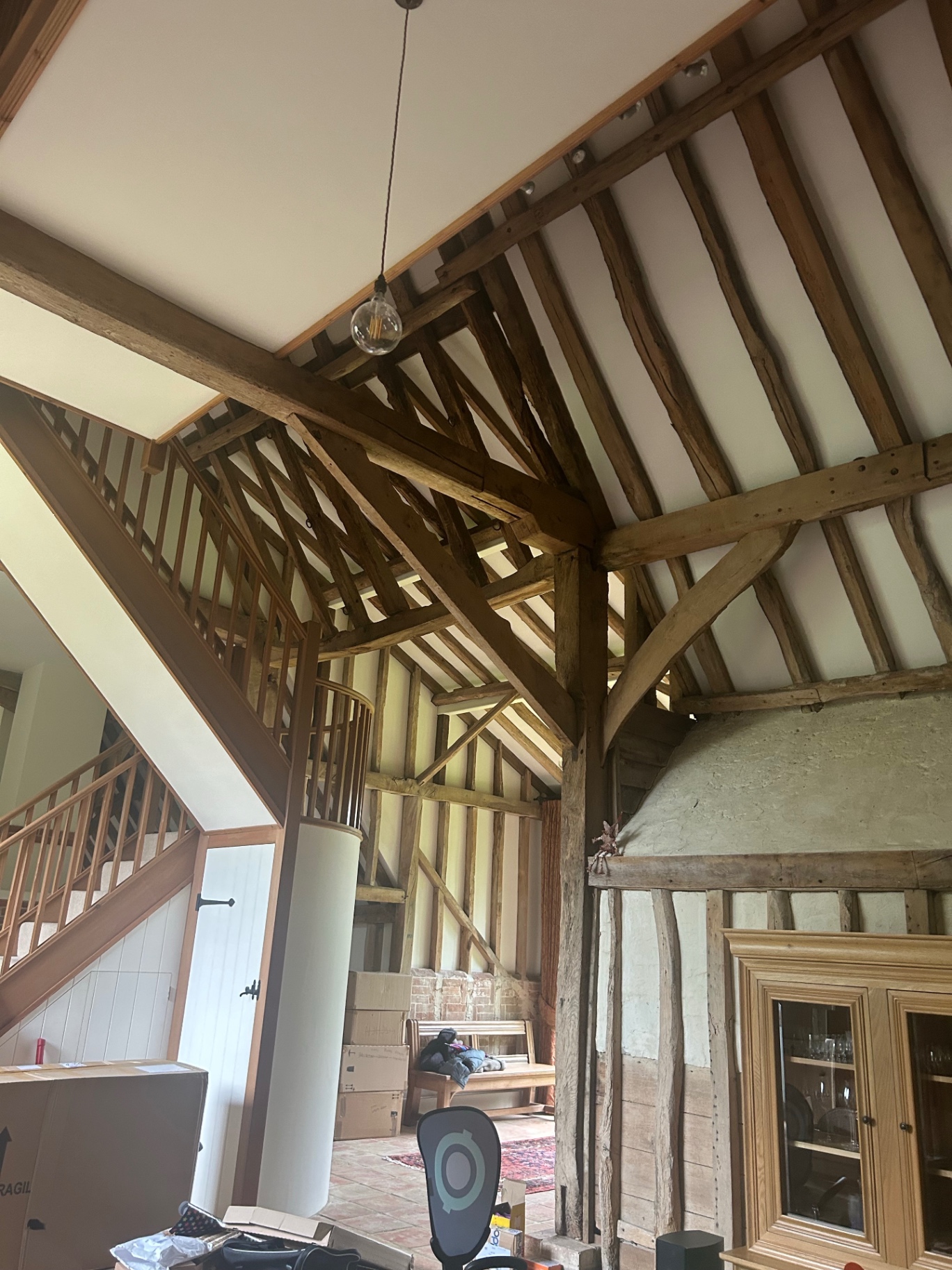
Structural oak roof frame

Timber resin & structural repairs

Repair or splicing of decayed beam and joist ends where full replacement is not necessary or practical.

Structural oak roof frame
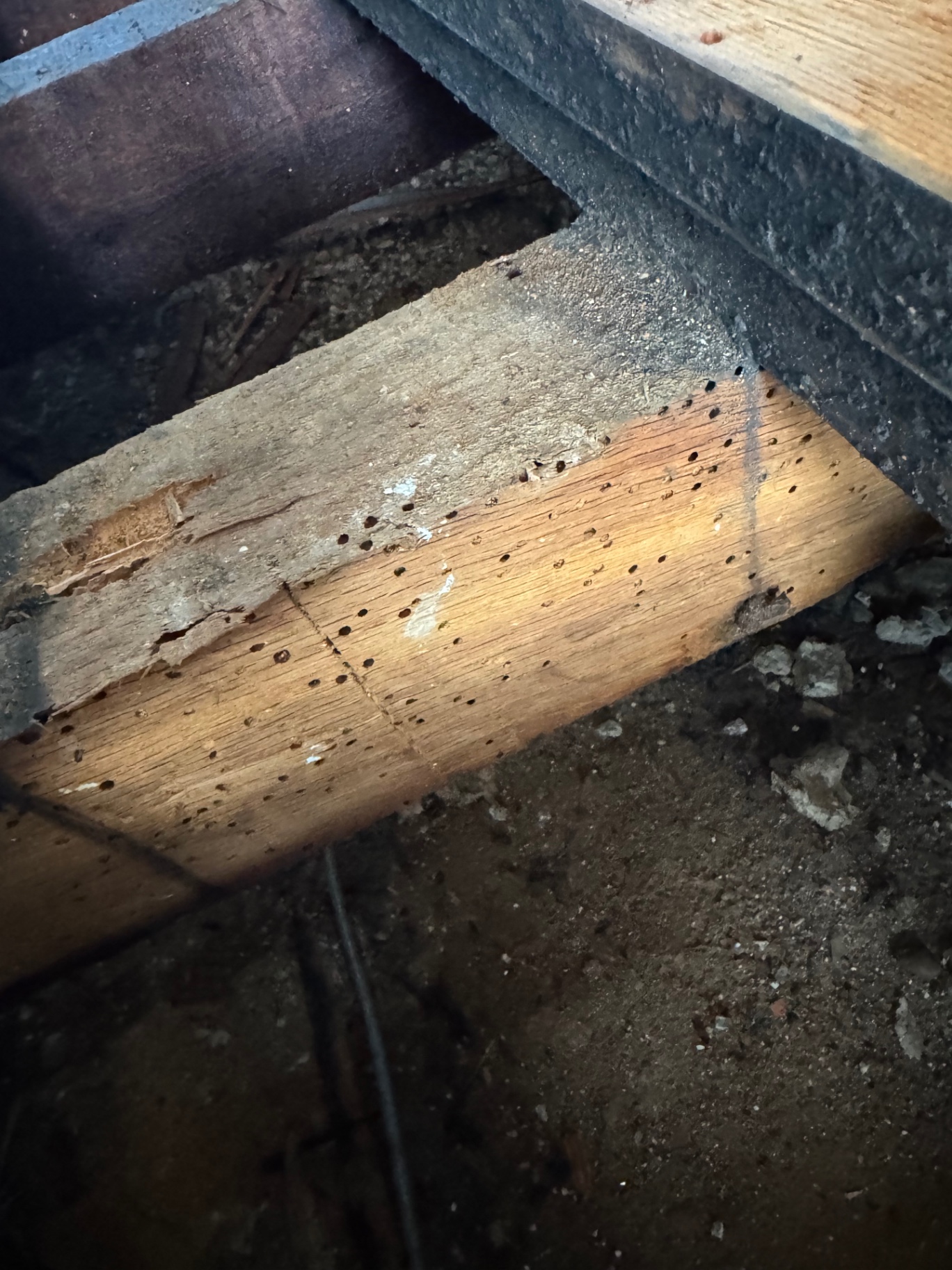
Beetle exit holes across a joist

Woodworm & timber decay surveys

Written report identifying active versus historic attack, decay type, extent and a clear schedule of remedial works.

Beetle exit holes across a joist

Inspecting barn roof timbers before purchase

Pre-purchase timber inspections

Independent inspection before you buy, so timber defects and their likely cost are known before you commit.

Inspecting barn roof timbers before purchase

Every job is quoted on application after a survey. See the full service list →

Recent treatment works

Common furniture beetle treatment — before & after

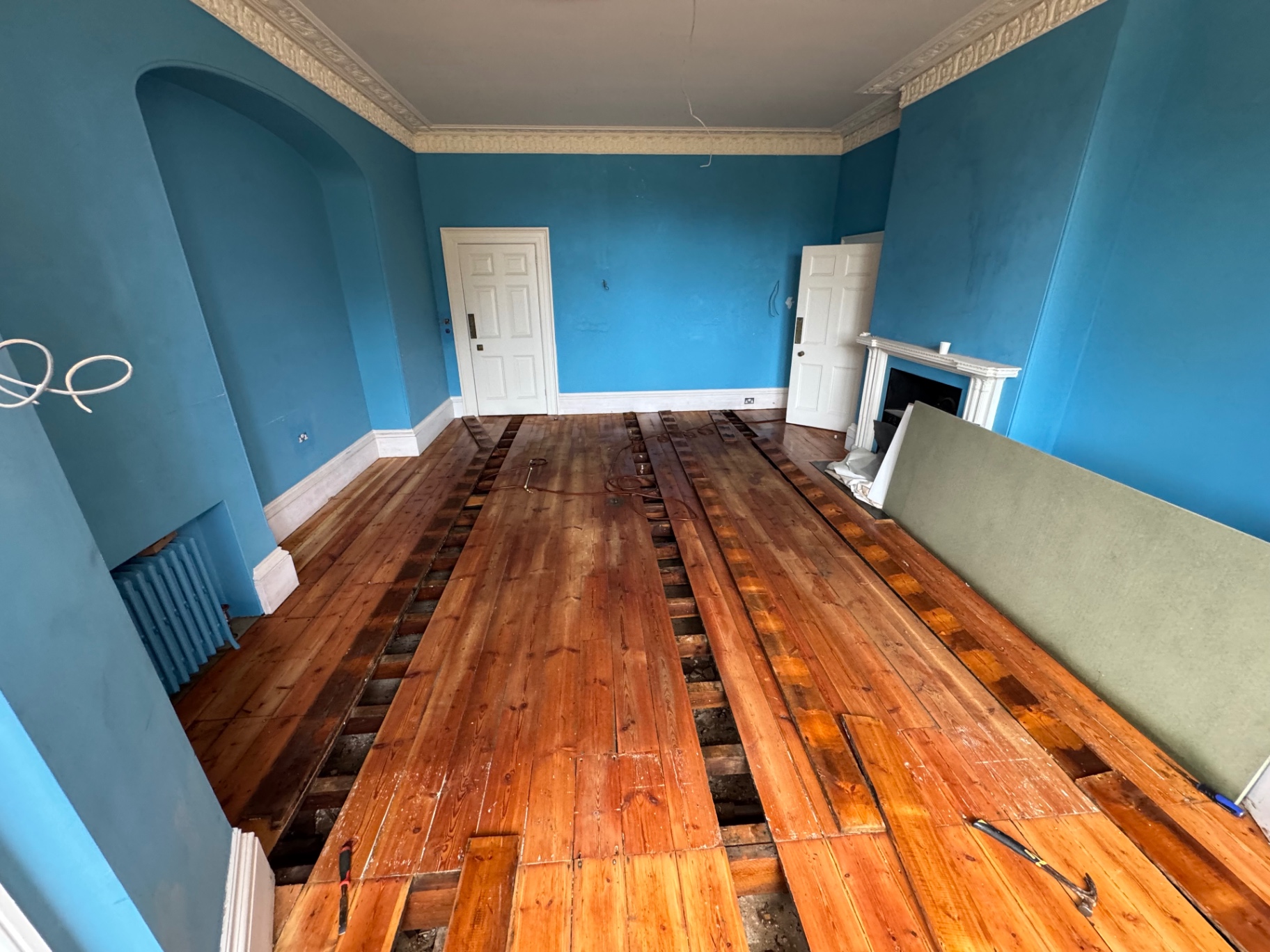
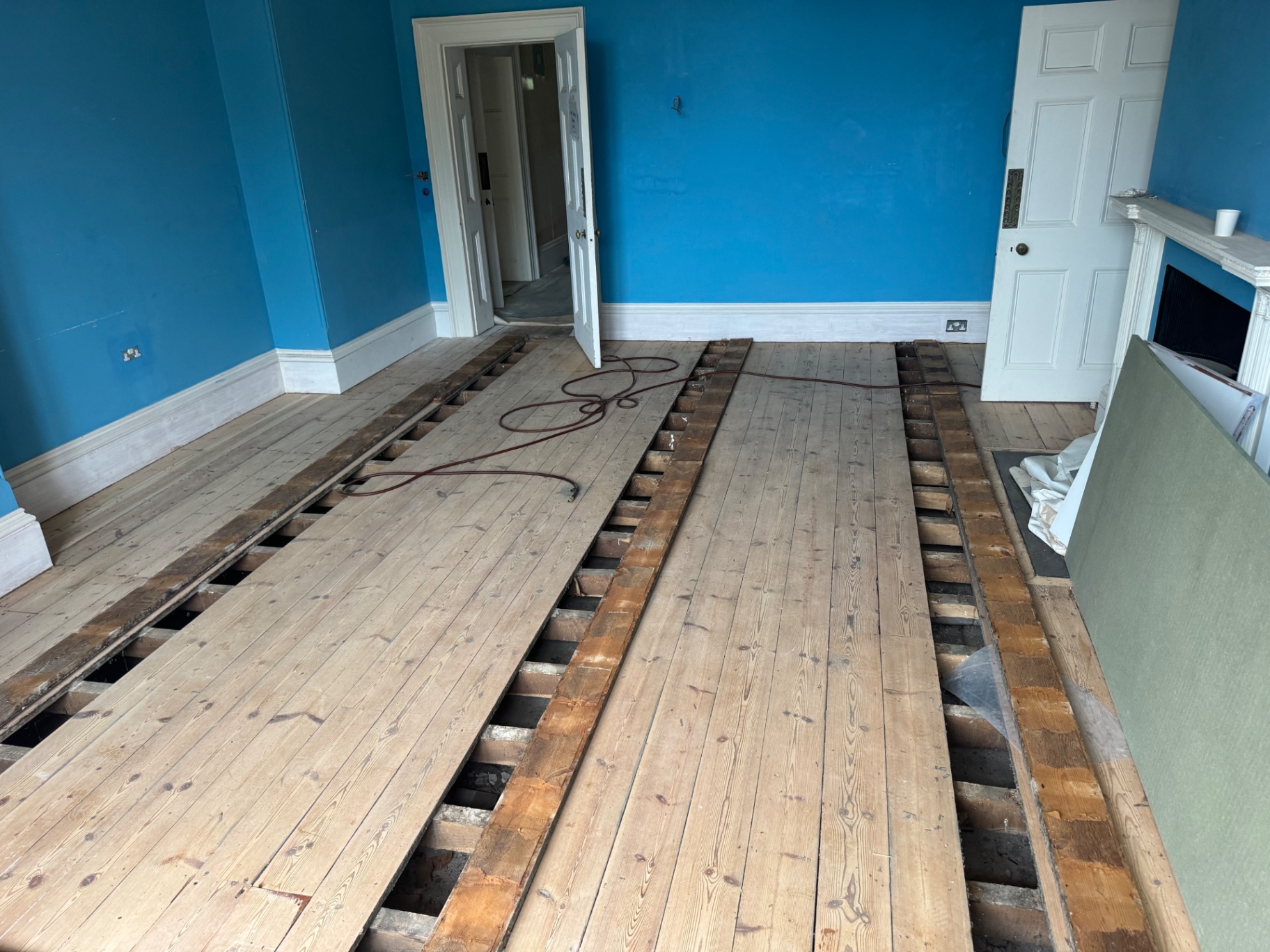
A common furniture beetle infestation treated with a dual purpose fungicide and insecticide spray treatment: floorboards lifted to reach the joists, every affected timber sprayed, and the floor refitted.
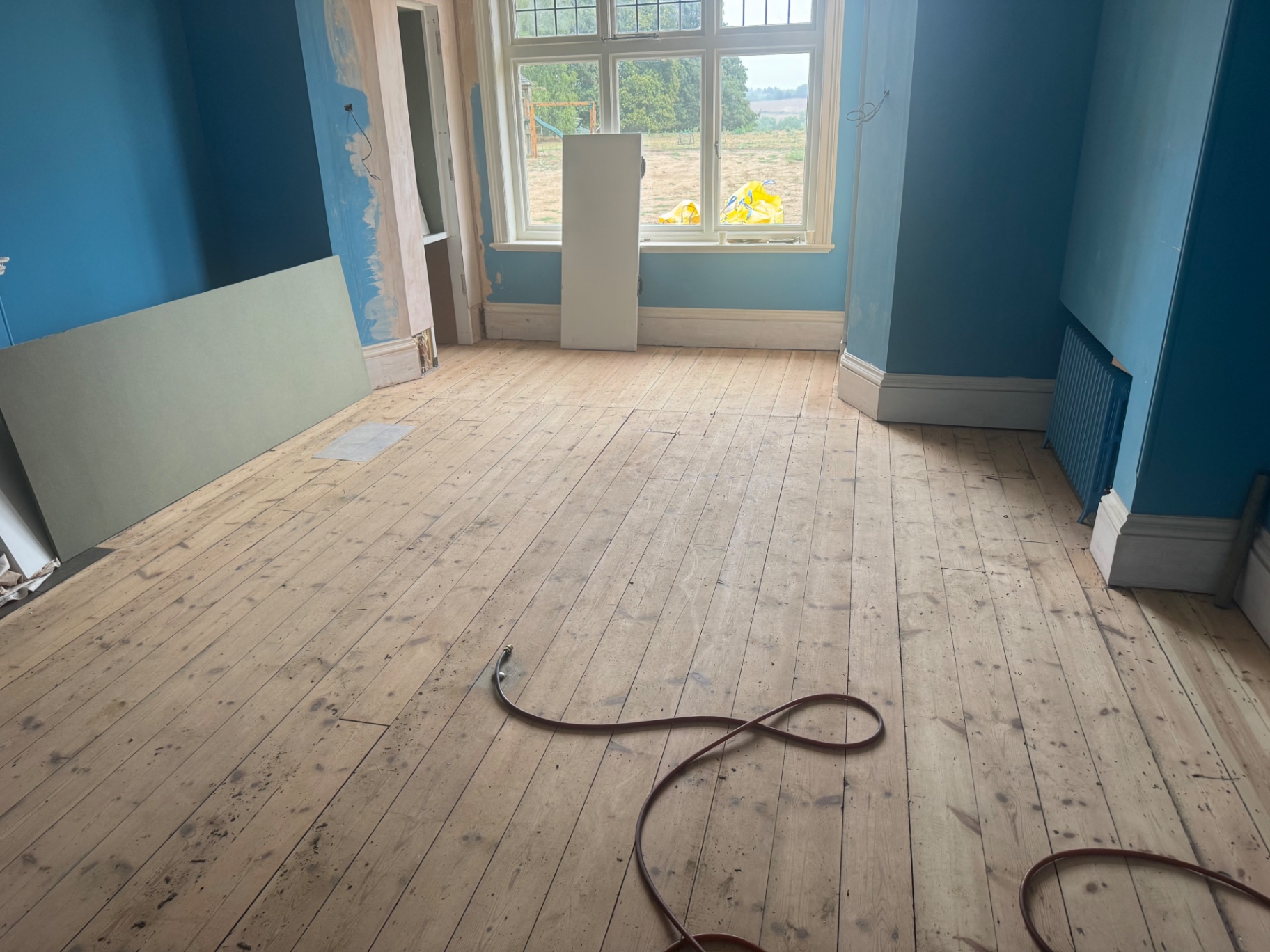
Stripped pine floorboards prepared for common furniture beetle treatment in a period property
Pine floorboards stripped back and prepared for treatment
Close-up of common furniture beetle flight holes in a pine floorboard
Common furniture beetle flight holes in a floorboard
Floorboards lifted to expose the joists ahead of woodworm spray treatment
Floorboards lifted to expose the joists beneath
Insecticide and fungicide spray applied into the sub-floor void around floor joists
Spraying treatment into the sub-floor void around the joists
Dual purpose fungicide and insecticide spray applied to floor joists and boards
Dual purpose fungicide and insecticide applied to the joists
Wood-boring beetle exit holes across a floor joist in the sub-floor void
Beetle exit holes across a joist in the sub-floor void
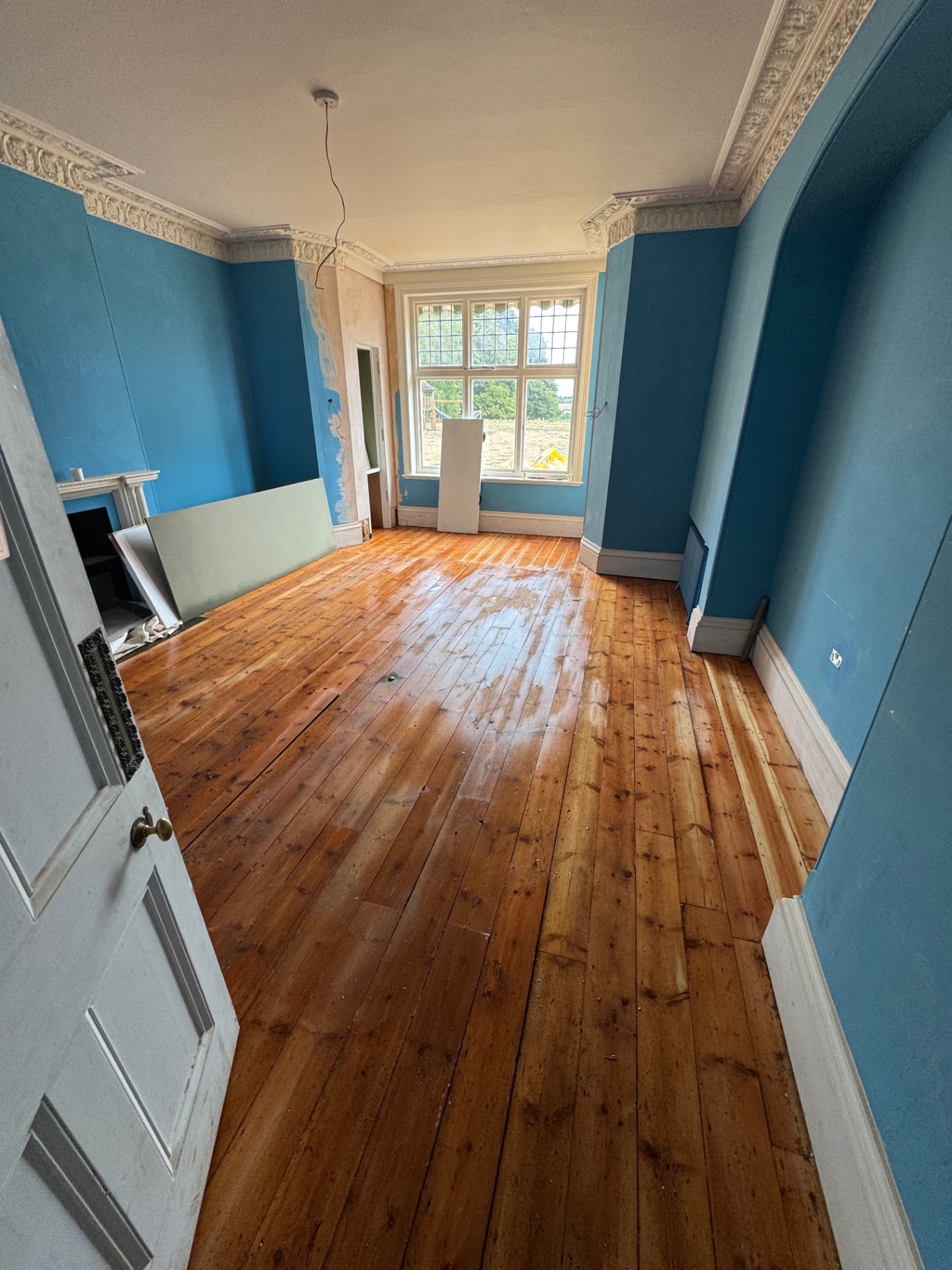
Treated floorboards refitted across the room after woodworm treatment
Treated boards refitted across the room
Finished treated pine floor following common furniture beetle treatment
The finished treated floor, ready for finishing

Areas we cover

Timber treatment in Essex, Suffolk & Norfolk

Suffolk

Suffolk's older housing stock — timber-framed cottages, Victorian terraces and converted barns — is particularly prone to wood-boring insect attack and rot in embedded joist ends. We survey and treat structural timber, roof timbers and suspended floors across the county.

Ipswich, Bury St Edmunds, Sudbury, Woodbridge, Felixstowe, Stowmarket

Essex

From period property in Colchester to coastal homes on the Essex estuaries, we treat woodworm, wet rot and dry rot, and carry out timber resin repairs and preservative works to specification.

Colchester, Chelmsford, Braintree, Clacton, Manningtree, Halstead

Norfolk

Norfolk properties often combine solid-wall construction with poor sub-floor ventilation, a common cause of decay in floor and roof timber. We identify the moisture source first, then specify treatment and repair works.

Norwich, Great Yarmouth, Diss, Thetford, Lowestoft border, Beccles area

Common questions

Timber treatment questions

What is timber treatment?
Timber treatment is the application of a preservative or remedial system to structural and joinery timber to stop wood-boring insect attack and fungal decay. It follows a survey that identifies whether the attack is active, how far it has spread, and what moisture source is feeding it. Treating the timber without correcting the moisture source rarely gives a lasting result.
How much does timber treatment cost in Essex, Suffolk or Norfolk?
Costs depend on the area of timber affected, access, the type of decay and whether repairs or replacement timber are needed. We price each property after a survey rather than quoting a flat rate, so you get a figure based on the actual work. Quotes are provided on application and all works are guaranteed.
How do I know if woodworm is still active?
Fresh, light-coloured bore dust, clean-edged exit holes and weakened timber usually indicate an active attack, while darkened holes with no dust often point to historic activity. A survey confirms which it is, so you are not paying to treat timber that no longer needs it.
What is the difference between wet rot and dry rot?
Wet rot occurs in timber that stays persistently damp and is generally confined to the wet area. Dry rot can spread through masonry to find new timber and needs a wider programme of works. Both need the moisture source resolved first, then affected timber treated or replaced.
Do you cover my area?
We are a mobile service based in Ipswich, covering the whole of Suffolk, Essex and Norfolk — including Colchester, Chelmsford, Bury St Edmunds, Sudbury, Norwich, Great Yarmouth and the surrounding villages.